Pico de Gallo vs. Salsa: Understanding the Fresh Mexican Difference
Embark on a culinary journey into the heart of Mexican cuisine, and you'll quickly encounter two vibrant, flavourful staples: salsa and
pico de gallo. While often used interchangeably, these fresh, zesty condiments possess distinct characteristics that set them apart. Understanding the nuances between them is key to appreciating the depth and diversity of Mexican flavours, and essential for any home cook looking to elevate their dishes. At the core of this distinction lies the revered
pico de gallo – a testament to the power of fresh, simple ingredients.
What Exactly is Pico de Gallo? The Freshest of Salsas
Often hailed as the king of fresh Mexican salsas,
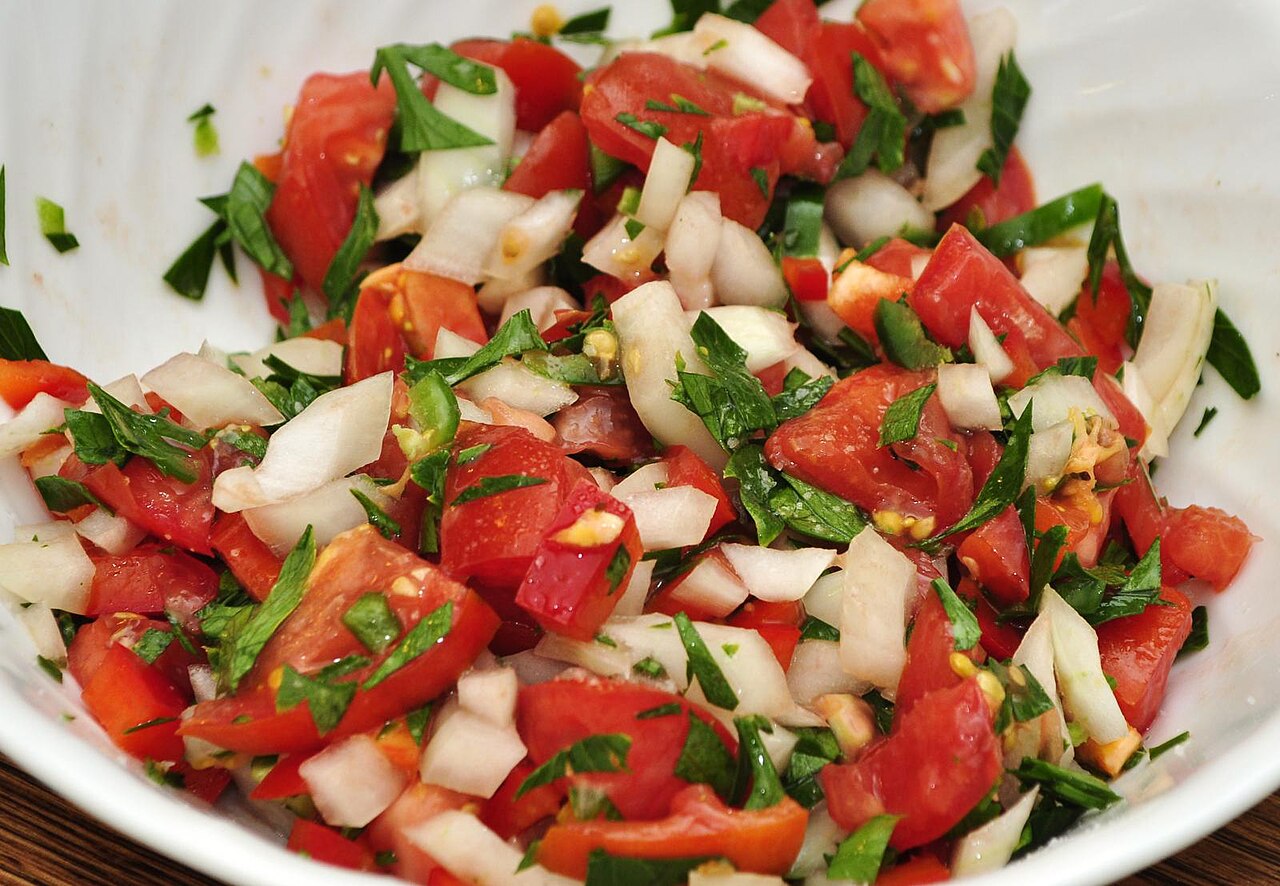
pico de gallo is a remarkably simple yet profoundly flavourful condiment. It’s an authentic Mexican salsa made with a handful of fresh, raw ingredients: finely diced ripe tomatoes, crisp white onion, vibrant cilantro (coriander), fiery jalapeños, and a squeeze of bright lime juice, often seasoned with salt. The magic of
pico de gallo lies in its uncooked nature; every vegetable maintains its fresh, crisp texture, offering a delightful crunch with each bite.
Unlike many salsas,
pico de gallo is never blended or pureed. Its hallmark is a chunky consistency, with each ingredient discernible, meticulously chopped by hand. This deliberate preparation ensures the integrity of individual flavours, allowing them to meld together subtly rather than dissolving into a homogenous mixture. The vibrant colours – red tomatoes, white onion, and green cilantro – are no coincidence; they beautifully represent the colours of the Mexican flag, underscoring its cultural significance.
You’ll find
pico de gallo gracing virtually every dish across Mexico, from humble street tacos to elaborate enchilada platters. It's not just a dip for chips; it's an essential side dish, a fresh topping, and even a juicy "sauce" spooned over everything imaginable. As many culinary enthusiasts will attest, the sum is truly greater than its parts when it comes to
pico de gallo. While a lone spoonful of raw tomato or onion might not excite, the harmonious blend of these components, elevated by tangy cilantro and zesty lime, transforms them into a taste sensation that will make your taste buds sing.
Interestingly, the name
pico de gallo loosely translates to "rooster's beak." While the exact origin remains a subject of playful speculation, some theorize it stems from the traditional method of eating it by pinching the ingredients between the thumb and forefinger, resembling a rooster's pecking motion. Whatever its etymology, its deliciousness is undisputed.
Decoding the "Salsa" Spectrum: Beyond Pico de Gallo
The term "salsa" in Spanish simply means "sauce," and in the culinary world, it encompasses a vast and diverse category of condiments. While
pico de gallo is indeed a *type* of salsa, the broader definition of salsa stretches far beyond this fresh, chunky creation.
Traditional salsas, in their wider sense, exhibit a much broader range of textures, temperatures, and flavour profiles. They often incorporate ingredients that have been cooked, roasted, or even canned. For instance, many popular restaurant-style salsas are made with roasted tomatoes, giving them a deeper, smokier flavour profile. Others might use canned tomatoes as their base, resulting in a more consistent, year-round product.
A primary distinguishing factor from
pico de gallo is the preparation method. While
pico de gallo insists on hand-chopped, raw ingredients, many other salsas involve blending or pureeing. This processing creates a much thinner, wetter consistency, often with a smoother texture. Even "chunky" salsas that are not fully pureed still tend to be significantly wetter and less defined in their ingredient pieces than
pico de gallo.
Consider a fiery salsa roja, a smoky salsa verde, or a rich mole sauce – all are variations of salsa, yet none share the pristine, uncooked, chunky character of
pico de gallo. This vast culinary landscape highlights that while all
pico de gallo is salsa, not all salsa is
pico de gallo. Understanding this distinction allows for a more informed appreciation of Mexican cuisine and provides clarity when choosing the perfect condiment for your dish.
Pico de Gallo vs. Salsa: Key Differences at a Glance
To truly understand why
pico de gallo holds such a special place, let's break down the core differences when comparing it to the broader category of salsa:
*
Texture: This is arguably the most significant differentiator.
Pico de gallo is defined by its *chunky, fresh, and crisp* texture, with clearly distinguishable, uniformly diced vegetables. Other salsas, whether blended, roasted, or simmered, tend to be *wetter, thinner, and smoother* in consistency. Even "chunky" variations of standard salsa will typically have softer, more liquid-laden pieces.
*
Ingredients: Pico de gallo strictly relies on *fresh, raw ingredients*: raw tomatoes, raw onions, raw jalapeños, and fresh cilantro. Traditional salsas, on the other hand, frequently use *cooked, roasted, or canned tomatoes*, and their ingredients might undergo various cooking processes before being blended or served.
*
Preparation: The essence of
pico de gallo is *hand-chopping*. Each vegetable is carefully diced, preserving its form and texture. Many other salsas are prepared using *blenders, food processors, or prolonged cooking*, resulting in a more homogeneous or saucy consistency.
*
Moisture Content: Due to its raw and chunky nature,
pico de gallo has a relatively *low liquid content* compared to other salsas. The juices come primarily from the fresh tomatoes. Traditional salsas often contain a higher proportion of liquid, whether from cooking, blending, or the addition of water or broth.
*
Flavor Profile: Pico de gallo boasts a *bright, fresh, and vibrant* flavour profile, where the natural acidity of the lime and the crispness of the vegetables shine. Salsas, depending on their preparation, can range from smoky and earthy (roasted salsas) to rich and savoury (cooked salsas), offering a much wider spectrum of cooked flavours.
These distinctions highlight why
pico de gallo is specifically called "salsa fresca" (fresh sauce) or "salsa cruda" (raw sauce) – names that perfectly encapsulate its unique character and appeal.
Mastering Your Own Pico de Gallo: Tips for Freshness and Flavor
Creating restaurant-worthy
pico de gallo in your own kitchen is surprisingly simple, provided you follow a few key principles. The secret lies in quality ingredients and careful preparation.
1.
Choose Ripe Ingredients: This is paramount. Select firm, ripe tomatoes (Roma or beefsteak varieties work well) that are sweet and juicy. Your onion should be crisp, and your cilantro bright green and aromatic. For the jalapeño, choose one that is firm and unblemished. For those who prefer less heat, remove the seeds and white membrane; for more kick, leave some in.
2.
Uniform Dicing is Key: The beauty of
pico de gallo is its chunky, consistent texture. Aim for small, uniform dice for all your vegetables. This ensures an even distribution of flavour in every spoonful and a pleasant mouthfeel. A sharp knife is your best friend here.
3.
Don't Skip the Lime: Freshly squeezed lime juice is non-negotiable. It provides the essential tang and brightness that cuts through the richness of other dishes and brings all the flavours of the
pico de gallo together.
4.
Allow Flavors to Meld: While tempting to dive in immediately, resist! The "secret" behind truly outstanding
pico de gallo is giving the ingredients about an hour for their flavours to meld and harmonize. A quick chill in the refrigerator allows the natural juices to release and intertwine, transforming the individual components into a cohesive, flavour-packed delight. You can even make it a day ahead for optimal flavour development.
5.
Season to Taste: A good pinch of salt is crucial to enhance all the other flavours. Start with a little and add more if needed.
For a detailed, step-by-step guide to crafting this fresh Mexican gem, be sure to check out our comprehensive article:
How to Make Authentic Pico de Gallo: Easy Fresh Salsa Guide.
Beyond the Chip Bowl: Versatile Uses for Pico de Gallo
While a bowl of fresh
pico de gallo with a side of crispy tortilla chips is an undeniable pleasure, its versatility extends far beyond a simple appetizer. Its bright, fresh, and slightly acidic profile makes it an incredibly adaptable condiment that can enhance a multitude of dishes, both Mexican and otherwise.
In its native Mexico,
pico de gallo is an indispensable companion to nearly every meal. It's not just piled *on* tacos and burritos; it’s frequently *stuffed* inside them. Imagine the burst of freshness it brings to rich, savoury enchiladas, cheesy quesadillas, or hearty nachos. It acts as a counterpoint, adding a crucial layer of fresh acidity and texture that balances heavier, cooked elements.
But its applications aren't limited to Mexican cuisine. Think of
pico de gallo as a flavour enhancer for everyday meals:
*
Breakfast Booster: Spoon it over fluffy omelettes, cheesy scrambled eggs, or a vibrant frittata for an instant upgrade.
*
Grilled Delights: It’s a superb fresh topping for grilled chicken, fish (especially flaky white fish or salmon), or even a simple steak. The acidity helps cut through the richness and adds a welcome zest.
*
Healthy Side Dish: Serve it alongside any lean protein or roasted vegetables for a nutritious and flavourful side.
*
Sandwiches & Wraps: Elevate a mundane turkey sandwich or a bland chicken wrap with a generous scoop of
pico de gallo.
Its juicy freshness makes everything better, offering a vibrant contrast to almost any savoury dish. To explore an even wider array of culinary applications, delve into our article:
Beyond Tacos: Versatile Uses for Authentic Mexican Pico de Gallo.
In conclusion, while "salsa" broadly refers to a category of sauces,
pico de gallo stands out as a unique and indispensable subset. Its commitment to fresh, raw, hand-chopped ingredients gives it a distinctive chunky texture and a vibrant, unparalleled flavour profile. Understanding this fresh Mexican difference not only enriches your culinary knowledge but also empowers you to choose or create the perfect condiment for any dish. So, whether you're a seasoned chef or an adventurous home cook, embrace the fresh magic of
pico de gallo and let your taste buds discover the true essence of authentic Mexican freshness.